Practical guide for rugby coaches Build an Attacking System Your Players Can Understand, Train and Adapt A rugby attacking system should give players clear reference points without removing their ability to scan, communicate and make decisions. This guide connects pods, …
A practical guide for college rugby coaches in the USA: build a safer, more connected team through practice planning, defense, tackling and a clear game model
Learn how to coach effective rugby ruck defence with clear player roles, defensive systems, decision-making exercises and three practical drills.
Rugby defence coaching guide Build Defence from the Tackle to the Full System Effective rugby defence begins long before the collision. Players must read the attack, protect space, control their approach, complete the tackle safely and reconnect with their teammates …
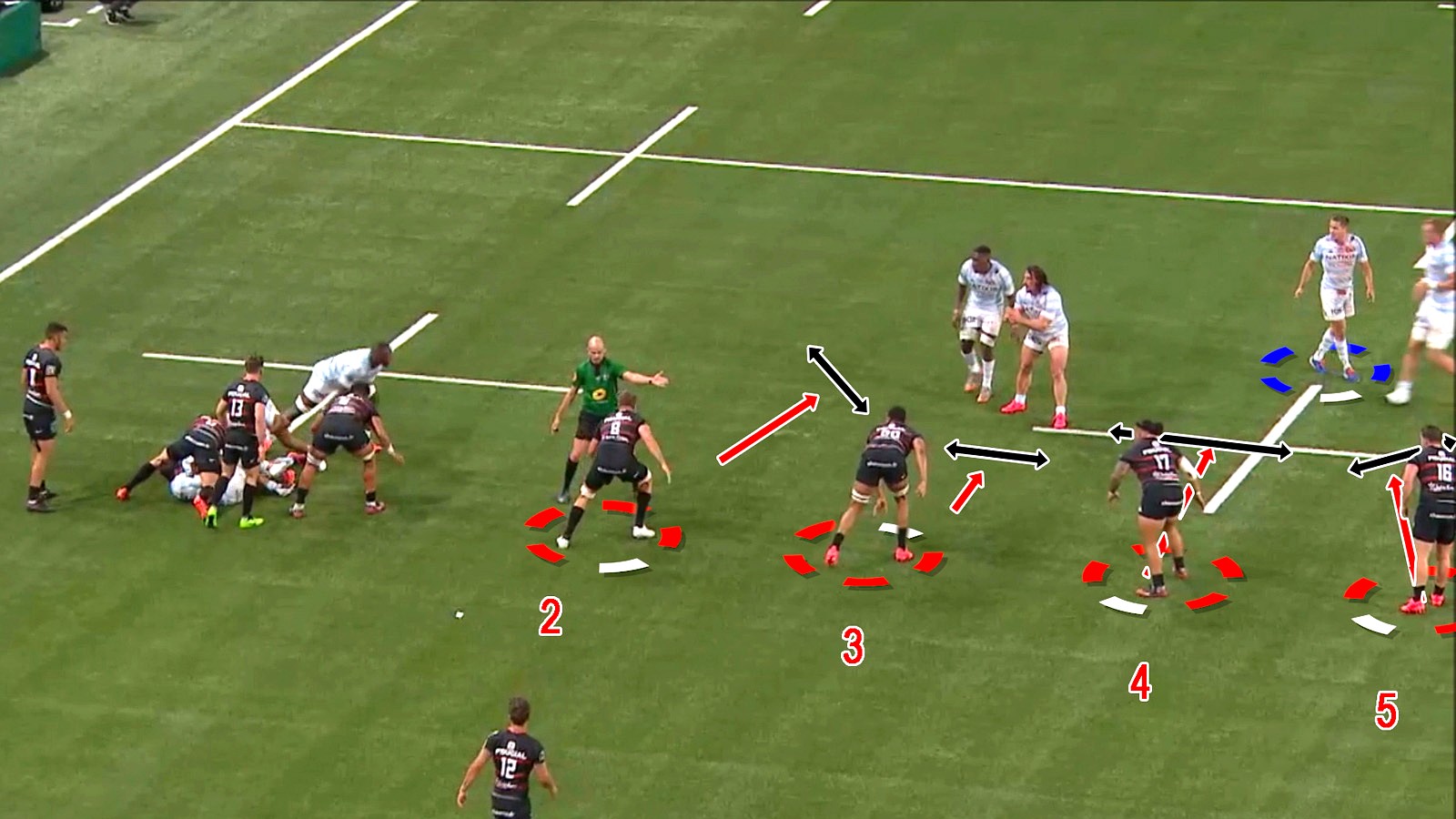
Improve your players’ tackling with four progressive rugby drills focused on defensive tracking, inside positioning, footwork and shoulder selection. Teach defenders to protect the inside space and force the ball carrier towards the touchline.
Learn how to connect rugby tactics, strategy and a clear game model. This practical coaching guide covers attacking systems, defensive organisation, set plays and training for coaches in the UK, USA and worldwide.
Learn how to become a rugby coach in the USA, from USA Rugby certification and Level 1 requirements to tackle safety, defense and game-model development.
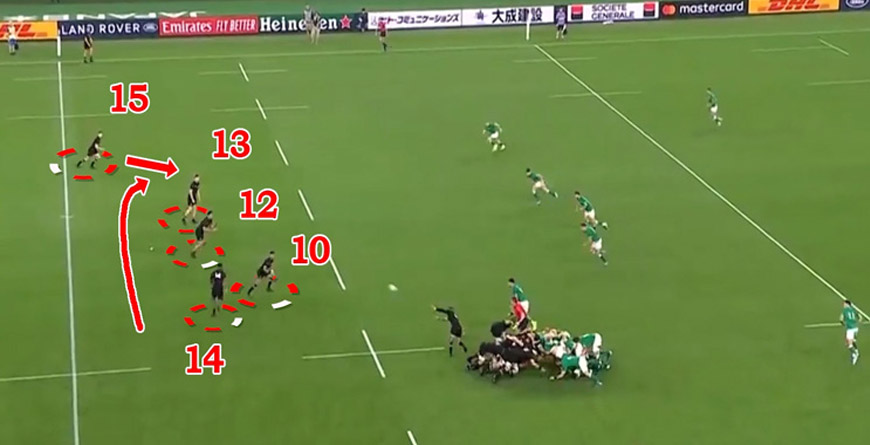
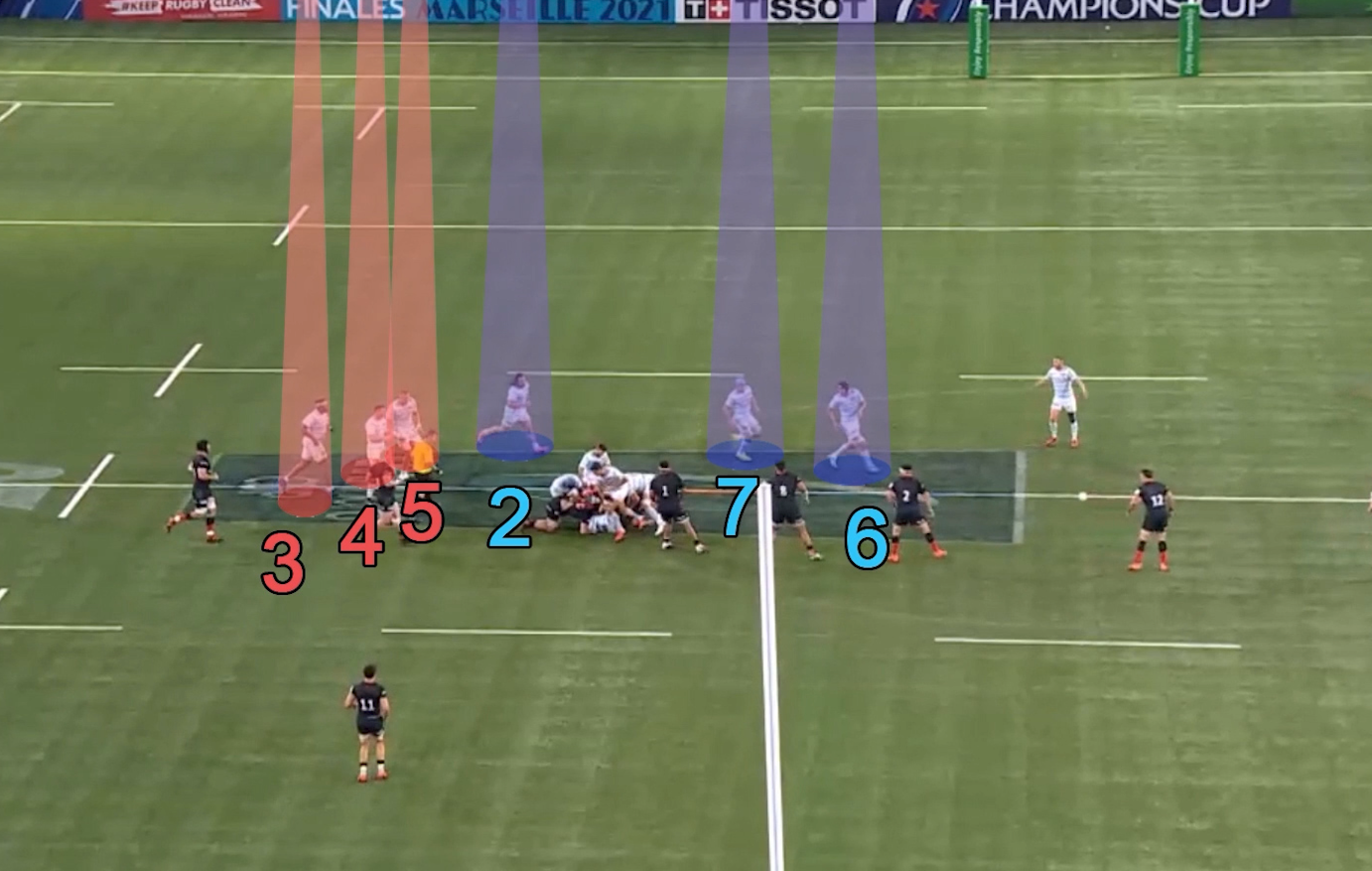
Rugby attacking systems for coaches Organise the Shape Early so Players Can Read the Defence The 1-3-3-1 is often presented as a simple distribution of eight forwards: two central pods of three and one forward on each edge. For coaches, …
1-3-3-1 rugby attacking system Keep the Attacking Shape Alive After Every Breakdown Rugby pod rotation is the process that allows a 1-3-3-1 attacking shape to survive after multiple rucks, line breaks and changes in the direction of play. The objective …