Rugby Defensive Tracking: 4 Tackle Drills to Defend from the Inside
Control the attacker by defending from the inside
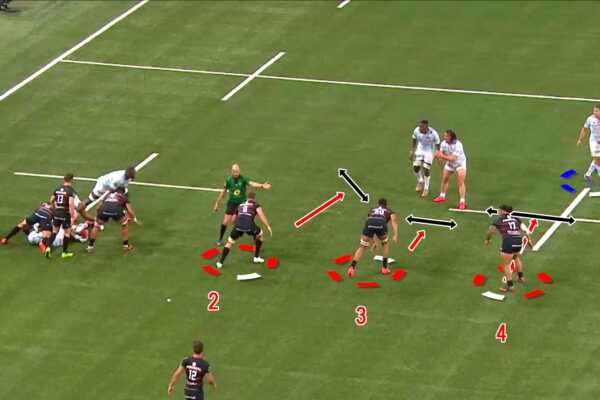
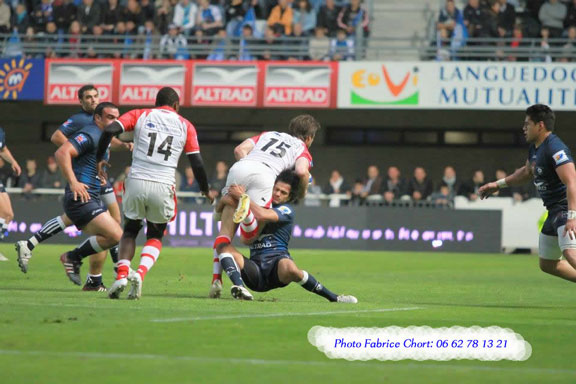
An effective rugby tackle begins before contact. The defender must first identify the direction of play, protect the inside space and adjust their running line to guide the ball carrier towards the touchline.
These four progressive rugby defensive tracking drills help players read the attack, move during the pass and maintain a strong inside position without committing too early.
Defensive tracking should then connect naturally with controlled tackle footwork and the rugby tackle power step used to create a stronger and more dominant contact.
Read the Play and Engage the Correct Shoulder
In this second progression, the defender must collect information before closing down the ball carrier. The direction of play determines the inside space, the defensive running line and the shoulder used to make contact.
Stay between the ball carrier and the middle of the pitch. From this inside position, the defender can remove the attacker’s easiest option and guide them towards the touchline.
Drill objectives
- Scan before moving towards the attacker.
- Identify the direction of play.
- Recognise the inside and outside spaces.
- Select the correct tackle shoulder.
- Guide the ball carrier towards touch.
Coaching points
- Keep the shoulders facing the attacker.
- Use short, active adjustment steps.
- Avoid crossing the feet during the approach.
- Do not accelerate before the attacker is controlled.
- Keep the head safely positioned away from impact.
Once the defender has controlled the approach, the next objective is to connect the final foot placement with contact. Explore our rugby tackle power step drills to develop a stronger same-foot, same-shoulder tackle position.
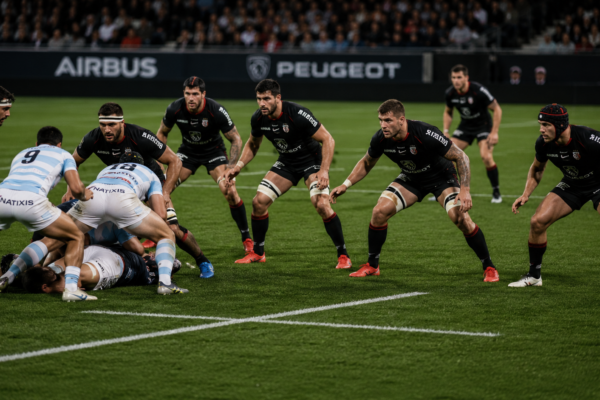
Stop Giving Away Easy Gaps Around the Ruck
Slide During the Pass
This drill teaches the defender to use the time when the ball is travelling. Instead of waiting for the receiver to catch the pass, the defender moves immediately to close space and establish a strong inside position.
Move while the ball is in the air. The defender should arrive in front of the receiver with the inside space protected, the feet active and enough balance to react to a late change of direction.
Drill objectives
- React as soon as the pass is released.
- Use the passing time to close space.
- Protect the attacker’s inside shoulder.
- Maintain connection with the defensive line.
- Reduce the receiver’s time and options.
Coaching points
- Keep the hips and shoulders facing the attack.
- Slide early without drifting beyond the attacker.
- Close the inside space before attacking the outside.
- Shorten the final steps as the distance decreases.
- Stay balanced before accelerating into contact.
The defender must combine this early movement with controlled adjustment steps. Use these tackle footwork drills for the defensive approach to develop balance, foot speed and control before contact.
Build a 1-3-3-1 System Your Players Can Actually Use
Recognise the Direction of Play in an Evolving Situation
This final progression adds uncertainty. The defender can no longer decide their positioning in advance. They must read the direction of the attack, identify the inside space and adjust their running line in real time.
React to the information provided by the pass and the ball carrier. Move quickly into an inside position, then control the final approach without losing balance.
Drill objectives
- Identify the direction of play under pressure.
- Recognise the inside and outside spaces quickly.
- Adjust the defensive running line.
- React without anticipating too early.
- Select the correct shoulder for contact.
Coaching points
- Keep the eyes up while reading the pass.
- Move from the information received.
- Protect the inside before closing forward.
- Slow the final steps to remain balanced.
- Accelerate only when the attacker is controlled.
This progression connects scanning, defensive tracking, footwork and tackle preparation in one continuous action. It can then be integrated into larger rugby defence drills and collective defensive systems involving several connected defenders.
Key Principles for Effective Defensive Tracking
The quality of the tackle is often determined before contact. The defender must read the play, protect the inside space and control the ball carrier before committing to the tackle.
Related Rugby Coaching Resources

You may also like
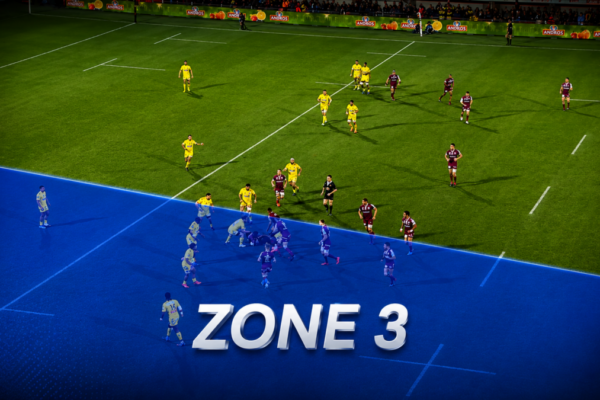
Tackle Footwork Drills: Improve the Defensive Approach